
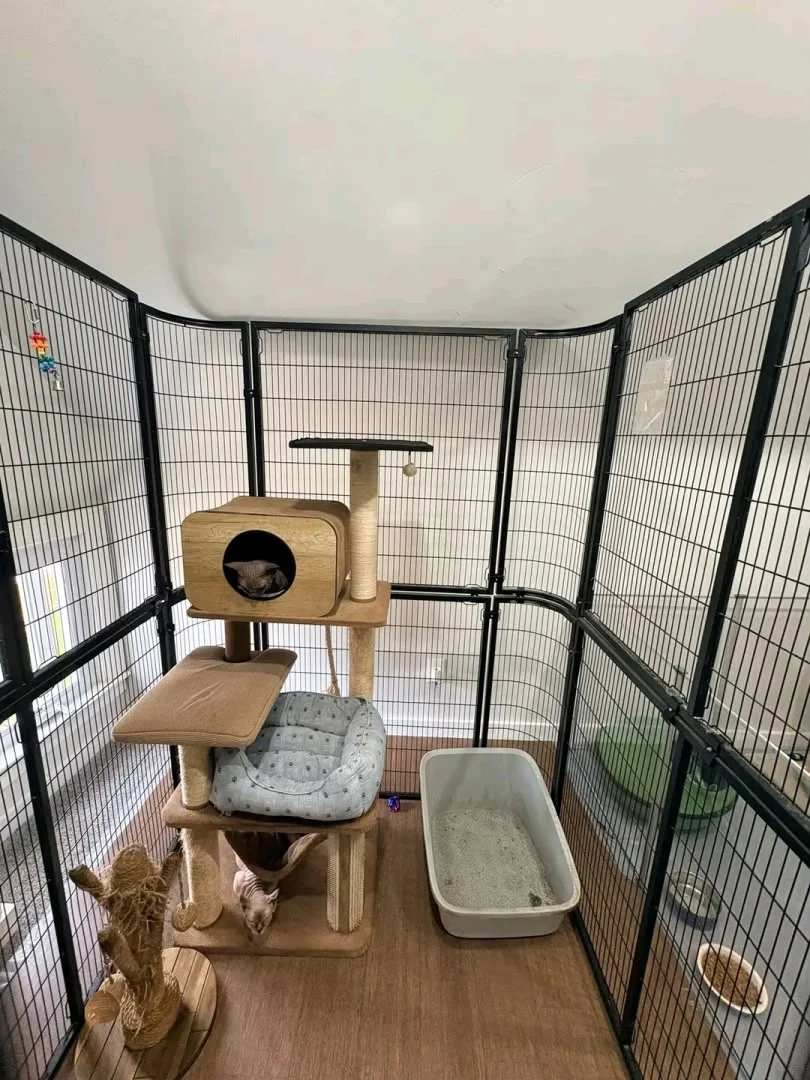
Sphynx are a unique breed due to their lack of fur. Their hairlessness adds an additional level of care above the needs of your average cat. While you won't spend hours meticulously brushing them, they will need regular bathing and grooming to keep their skin and ears healthy. Below we will dig into some of the essentials to keeping your sphynx clean and well groomed, by answering some of the most common questions we get asked by new sphynx parents.
How often do I need to bathe my sphynx cat?
There isn't a straightforward answer for this question. The frequency of bathing will be determined by each individual cat's needs. Sphynx cats produce an oily substance called sebum. The sebaceous glands that produce this oil, usually sit next to the hair follicles in the dermis. Cats with fur will have the benefit of their hair wicking away this oil from their skin. This prevents the build up of oils. Sphynx have nowhere for their oils to go. So it accumulates on their skin, ears, and between the folds of their skin. This accumulation creates the ideal environment for yeast and other bacteria to cause problems for our sphynx cats and kittens . Finding the right frequency of bathing for your sphynx will be a bit of trial and error at first. Remember that your sphynx skin is like your skin, the more you strip the natural oils from the skin, the more oil it will produce. If you bathe too frequently, you can dry the skin out and the skin will over compensate by producing more oils. On the other hand, not bathing enough will put your cat at risk for skin infections.
Cleaning needs vary between cats. Diet, individual skin health and grooming products may affect the skin. Persistent oiliness or irritation should be assessed by a veterinarian; do not assume a raw diet will resolve it.
Use a soft washcloth and a cat-appropriate cleanser recommended by your veterinarian. Avoid harsh products and ask for advice if your cat has irritated skin.
How do I bathe my Sphynx? Do they like water?
Not all Sphynx cats enjoy water. Choose a quiet time, gather your supplies first and introduce grooming calmly. Gentle handling and praise can help make the experience more comfortable.
Some other quick tips for bath-time success are:
- Fill the tub with warm water before bringing the cat into the bathroom. The loud noise from the water filling the tub will give your cat anxiety.
- Move slow and gentle. Fast movements and high energy only feed your sphynx's fears and will encourage them to try to escape.
- Bring treats! I have lickable treats on me almost all the time. Take time to praise all their good efforts.
- Allow your cat in the bathroom outside of bath time. Don't worry, you'll never use the bathroom alone again after you have a sphynx anyway. You don't want the only time your sphynx sees the bathroom is at times of stress. They will associate it with negative emotions.
- Have all of your supplies ready. The towel for drying laid out, your washcloth in arms reach, and your shampoo open and ready to go. There is nothing worse than fumbling with a bottle of shampoo and a wet cat.
Does my Sphynx need moisturizers or sunscreen?
Do not apply human moisturizers or sunscreen without veterinary guidance. Dry or irritated skin may need a change in grooming routine or medical assessment. Limit direct sun exposure and provide shaded indoor resting places.
Ask your veterinarian before using any sunscreen or skin product on your cat, since cats may lick products from their skin.
That being said, skin cancer is a real threat for sphynx. Prevention is key. A few things to consider for your sphynx and the sun:
- Sphynx are not made to live outside. They should never be indoor/outdoor cats.
- There is no universal safe duration for direct sunlight. Limit exposure and ensure your cat can move into shade.
- There are UV protective clothing and carriers you can put on your sphynx if they are going to be outside for longer periods of time:
- UV Protective Shirt
- Hats for cats
- Pet Kit UV Protective Bubble backpack
What About Sphynx Ears, Nails, and Butts?
Ahhh yes, the good stuff. Sebum gets everywhere on our Sphynx friends. Including their ears and nails. So much so, that vets and pet parents with little experience with the breed often think that their cat has ear or yeast infections in these places. To avoid any unnecessary antibiotics and antifungals, sphynx parents should make cleaning ears and nails a part of their weekly routine. Ears can be cleaned with some ear drops and a warm wet washcloth or cotton round. Please do not use Q-Tips in your cat's ears. Just like human ears, you can push oils and wax into the cat's ears and cause serious issues for your sphynx.
Use a cat ear-cleaning product as directed by your veterinarian. Gently wipe only the areas you can see and avoid inserting cotton swabs into the ear canal. Redness, swelling, discomfort or unusual discharge should be examined by a veterinarian.
Check nails regularly and trim them as needed, avoiding the quick. Gently remove visible oil or debris with a soft damp cloth. Provide scratching posts or boards, and ask your veterinarian to demonstrate trimming if you are unsure.
Some cats need gentle cleaning around their rear between baths. Use a soft damp cloth or a cat-safe product recommended by your veterinarian. Persistent soiling or loose stools deserves veterinary attention.
Questions about your kitten?
Talk with Taberet B about your kitten and preparing for life together.
Contact us →