
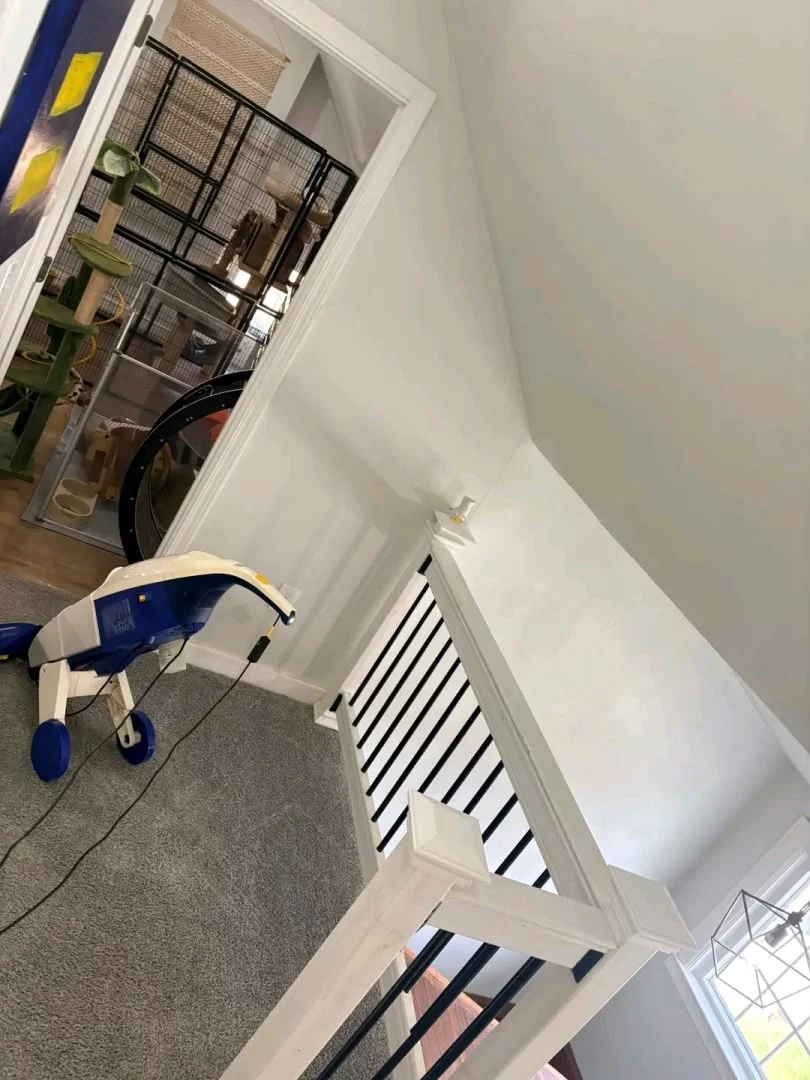
Ensuring proper litter box habits and effective potty training are crucial aspects of caring for a Sphynx cat. This section provides essential guidance on selecting the right litter boxes and litter types, tips for successful potty training, and strategies to address and correct inappropriate bathroom use. Whether you're welcoming a new kitten into your home or seeking solutions for existing challenges, understanding these fundamentals will help create a clean and comfortable environment for your beloved Sphynx companion.
Litter Boxes
Choosing the right litter box and litter type is essential for maintaining a clean and comfortable environment for your Sphynx cat. We recommend using a stainless steel litterbox if you are in a multi-cat household. Stainless steel is made from a highly durable material that is easily sanitized and cleaned. You can find them in a wide variety of sizes for kittens and adults alike. The biggest benefit of stainless steel vs traditional plastic litterboxes are that they are non -porous, don't absorb smells, and make it less likely to spread disease amongst your cat family. You can use them with both clay and pellet litter. They are slightly more expensive, but you will also replace them less.
- 4 Inch Stainless Steel Litterbox for kittens : Easy in and out for small kittens
- Adult litter boxes: Choose a spacious box with an entrance your cat can comfortably use.
- Larger litter boxes: Give your cat room to turn around and dig comfortably.
- Enclosed Stainless Steel Litterboxes: And this one is for our high-peeing cats!
Litter Type
Pine pellets, paper pellets and clay litters offer different textures and cleaning requirements. Start with the litter your kitten knows and change gradually. Choose a cat-safe product and keep boxes clean.
- Cat-safe pine pellet litter is one option. Start with your kitten's familiar litter and introduce any change gradually.
- Recycled Paper Pellets : We have used these, and still prefer them to clay litter, however they don't cut the smell as good as pine.
- Coconut Cat Litter: Natural, Ultra-lightweight, and non tracking Coconut shavings. The only downside is it's non-clumping
Litter Training
While your kitten will come potty trained, some may need reminders once they enter their new homes. Here are some tips to help your kitten adjust:
- Start Small: Begin by confining your kitten to a small room or bathroom with a litter box. This helps them learn where the bathroom is and reduces the chance of accidents.
- Bring Your New Cat to the Box: Bring your new kitten back to the box - a Lot. They know where the box is in the cattery. Your home is a brand new place with lots of places to explore. Remind them where it is.
- Multiple Litter Boxes: Little feet only take you so many places so fast. Have more than 1 place to go for your kitten. Kittens are like children, they get so excited to be playing (or sleeping) that they wait to go potty. Give them a chance at success by having several close options no matter where they are.
- Gradual Acclimation: Slowly introduce your kitten to the rest of the house one room at a time. This helps prevent overwhelming them and ensures they know where their litter box is as they explore.
- Litter Box Accessibility: Use short, uncovered litter boxes initially to make it easier for kittens to access. Ensure there are enough litter boxes: one more than the number of cats in the house.
- Multiple Levels: If you have a multi-story home, place litter boxes on all floors to ensure your kitten has easy access regardless of where they are.
Inappropriate Bathroom Use
If your cat starts using the bathroom outside of the litter box, here are some steps to correct the behavior:
- Medical Check: First, rule out any medical issues by consulting your veterinarian. Inappropriate bathroom use can sometimes be a sign of health problems. Neutered males especially, are at risk for urinary blockages that can be life threatening if not treated immediately. If you see signs of your cat or kitten struggling to urinate, it is time for the vet or emergency vet right away. Time is of the essence in that situation.
- Clean Accidents Thoroughly: Clean any soiled areas thoroughly with an enzyme cleaner to remove all traces of odor. This helps prevent your cat from returning to the same spot.
- Keep boxes clean: Scoop regularly and wash boxes as needed. Some cats avoid even lightly soiled boxes, so adjust the cleaning routine to your cat's preferences.
- Reintroduce Potty Training: Confine your cat to a small area with a litter box again and gradually reintroduce them to the rest of the house.
- Litter Box Preferences: Even though what we have recommended works for most people, most of the time, your cat's preferences may change. Experiment with different types of litter and litter boxes to find what your cat prefers. Some cats may have very specific preferences that need to be accommodated.
- Stress and Environment: Ensure your cat’s environment is stress-free. Changes in the home, new pets, or other stressors can lead to inappropriate bathroom use. Provide a quiet, comfortable space for your cat to relax.
- If an automatic litter box seems to worry your cat, provide a simple open box as an alternative. Follow the manufacturer's kitten age and weight requirements.
- When in doubt, add another litter box. This seems so simple to be effective, but it is. Cats are very clean animals. They do not like a messy box. sometimes giving them more boxes to use when you can't be right on top of cleaning their box helps. Some cats just don't like to share with their other cat family members. That's ok too.
While it is frustrating when your cat is having bathroom troubles, it helps to remember that cats are not malicious, they don't pee outside the box to make you angry (Although, I have questioned some of their intentions myself at times). They are trying to tell you something. Make note of the environment and check all of the factors that could be leading up to inappropriate bathroom troubles. By following these guidelines, you can ensure your Sphynx cat has a smooth transition to their new home and maintains good bathroom habits. If you have any concerns or persistent issues, don’t hesitate to consult with your veterinarian for further advice.
Questions about your kitten?
Talk with Taberet B about your kitten and preparing for life together.
Contact us →